
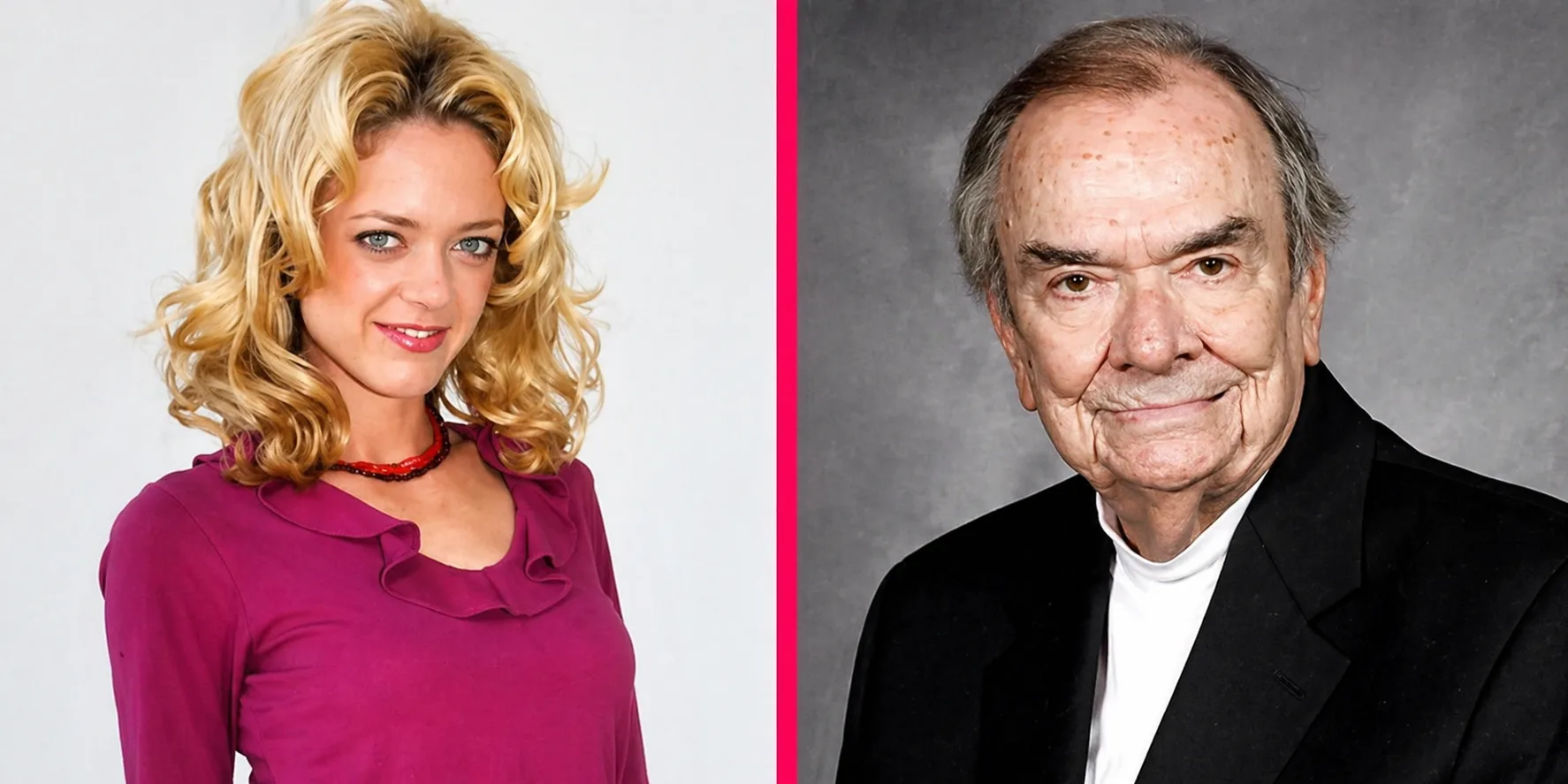
A drug counselor who dedicated his career to helping strangers recover from addiction watched the person he loved most die in a rehab facility he trusted to keep her safe. That is the story of Robert Joseph Gilliam. Robert Joseph Gilliam is an American addiction counselor best known as the husband of Lisa Robin Kelly, the actress who played Laurie Forman on the Fox sitcom That ’70s Show.
He married Kelly in October 2012. Their marriage lasted less than a year before separation. Kelly died on August 15, 2013, at age 43, at Pax House rehab facility in Altadena, California. Gilliam subsequently filed a wrongful death lawsuit against the facility, which settled out of court in September 2015.
Since then, he has lived entirely out of the public eye. Most articles about Robert Joseph Gilliam are thin. They repeat the same surface details and skip the context that makes his story genuinely worth understanding. This article goes deeper.
Quick Facts: Robert Joseph Gilliam
| Detail | Information |
| Full Name | Robert Joseph Gilliam |
| Year of Birth | Approximately 1951 |
| Nationality | American |
| Occupation | Drug Counselor / Addiction Recovery Specialist |
| Known For | Marriage to actress Lisa Robin Kelly |
| Marriage | October 2012 |
| Separation | Before Kelly’s death in August 2013 |
| Spouse’s Death | August 15, 2013, Altadena, California |
| Legal Action | Wrongful death lawsuit vs. Pax House, filed June 2014 |
| Settlement | Confirmed September 2015; terms undisclosed |
| Location | North Carolina (at time of meeting Kelly) |
| Current Status | Private; no verified public presence since 2015 |
What We Actually Know About Robert Joseph Gilliam’s Early Life
Most sources describing Robert Joseph Gilliam as “born in 1951 in North Carolina” are repeating an assumption, not a confirmed fact. The birth year of 1951 appears in multiple articles without any cited primary source. His specific hometown, parents, education, and early career remain completely unverified in any public record. What is documented is the career he built.
He worked for years as a drug counselor, a professional role that requires state licensure, clinical training, and continuous education in substance abuse treatment. This is not an informal job. Becoming a certified addiction counselor in the United States typically . It involves coursework in psychology, pharmacology, ethics, and supervised clinical hours.
The National Certification Commission for Addiction Professionals, a widely recognized credentialing body, sets standards that counselors must meet and maintain. Robert Joseph Gilliam chose that path long before Lisa Robin Kelly entered his life. He was not drawn into the world of addiction recovery because of her. He was already in it. That distinction matters enormously for understanding the man.
The Career That Shaped Everything
What an Addiction Counselor Actually Does
An addiction counselor sits with people at their most broken. The job involves crisis assessment, relapse prevention planning, motivational interviewing, and long-term case management. According to the U.S. Bureau of Labor Statistics, there were approximately 356,000 substance abuse, behavioral disorder, and mental health counselors employed in the United States. As of 2023, with demand projected to grow significantly through the 2030s.
The emotional weight of this work is real. Counselors regularly witness setbacks, relapses, and deaths. They invest deeply in clients who may disappear or die before recovery takes hold. The professional boundary between clinical distance and personal investment is one every counselor navigates constantly. Robert Joseph Gilliam knew all of this from the inside. He had spent years developing the patience, structure, and emotional regulation that his profession demanded.
Why This Career Context Explains the Marriage
Think about what it means to meet someone in crisis when you have spent your career responding to people in crisis. A counselor recognizes the patterns. They understand that vulnerability is not weakness. They know that people in the depths of addiction are still full human beings, not just their worst moments. When Robert Joseph Gilliam met Lisa Robin Kelly in North Carolina around 2012. She was by most accounts homeless or near-homeless, battling serious addiction, and looking for stability.
To someone without a background in addiction recovery, that situation might have been overwhelming. For Gilliam, it was familiar ground. He saw a person who needed support, not a celebrity in a tabloid headline. That framing does not excuse everything that followed. It explains how the relationship began.
Who Was Lisa Robin Kelly?
Lisa Robin Kelly was born on March 5, 1970, in Southington, Connecticut. She built a real acting career, appearing in the Fox Network series That ’70s Show beginning in 1998 as Laurie Forman. The older sister of the main character Eric Forman, played by Topher Grace. The show ran from 1998 to 2006 and became one of the defining sitcoms of that era.
Kelly’s departure from the show was not voluntary. Her increasingly erratic behavior on set, attributed to worsening alcohol dependency. It led producers to write her character out after Season 3 in 2001. Christina Moore replaced her in the role. Kelly returned briefly in Season 5 in 2003, but her addiction had not stabilized, and her return was short-lived.
Off screen, her struggles were documented in court records. Multiple DUI arrests. A miscarriage that she identified as a catalyst for her drinking escalated. Domestic disputes. Reports that she had been living out of her car in North Carolina when she crossed paths with Robert Joseph Gilliam. Her castmate Topher Grace expressed public grief after her death. Wilmer Valderrama, who played Fez on the show, also shared condolences. They remembered a woman of real talent who was consumed by something she could not defeat.
Robert Joseph Gilliam and Lisa Robin Kelly: How They Met
The meeting happened in North Carolina, not in Hollywood. This is not an industry romance. It is not two people who met at a premiere or through a mutual agent. Kelly was in the most vulnerable period of her adult life. Gilliam was working in addiction counseling. The specific circumstances of their introduction have not been publicly documented, but the setting and the timing tell most of the story. He was someone trained to help people in precisely the situation she was in.
Their connection grew from that context. Whether Gilliam was acting in a professional capacity when they met, or whether they connected outside of a formal counselor-client relationship. It has never been clarified in public reporting. What is documented is that by 2012, they were in a committed relationship and chose to marry.
The Marriage: October 2012
What the Ceremony Looked Like
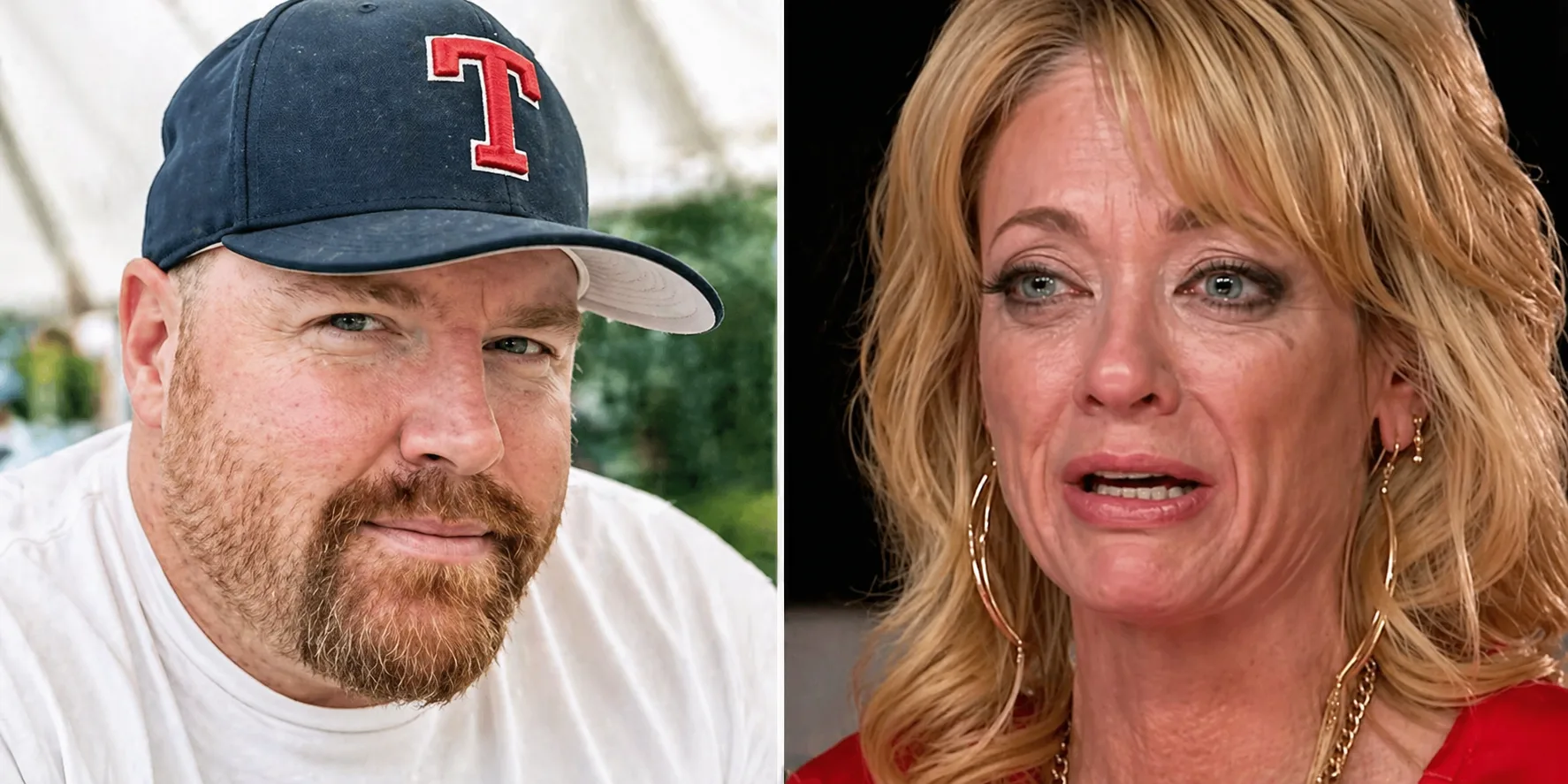
The wedding took place in October 2012. It was a private affair, small and unannounced. No celebrity press. No red carpet. Two people, one significantly more famous than the other, getting married in a state of genuine hope. Both of them carried wounds into that marriage. Kelly had a decade of public decline behind her. Gilliam had years of professional experience watching addiction tear through lives. And yet they chose each other. That is not a small thing.
The Arrest That Defined the Public’s View of Robert Joseph Gilliam
Within weeks of their marriage, in November 2012, both Robert Joseph Gilliam and Lisa Robin Kelly were arrested in Mooresville, North Carolina. Both faced misdemeanor assault charges following a domestic dispute. Both were released on bond. This is where the narrative about Robert Joseph Gilliam hardened in public coverage. The arrest became the defining fact. He was the ex-husband with a domestic violence charge. That framing is not entirely wrong, but it is incomplete.
Mutual arrest in a domestic dispute does not tell you who was the aggressor, who was in crisis, or what the underlying dynamics were. Both parties faced charges. Neither the detailed police report nor the prosecution outcome has been documented in any reporting available to date. What is true is that the marriage did not recover from that moment. The two separated shortly after.
Lisa Robin Kelly’s Account
Before her death, Kelly gave a brief interview in which she described Gilliam as controlling during their marriage. She said the relationship had become difficult. That account stands as her final word on the matter, and it deserves respect. Gilliam never publicly disputed or responded to those statements. His silence was consistent. He did not give interviews. He did not hold press conferences. He did not attempt to rehabilitate his image. He simply went quiet.
The Death of Lisa Robin Kelly
August 15, 2013
On August 12, 2013, Lisa Robin Kelly voluntarily checked herself into Pax House, a residential addiction treatment facility in Altadena, California. Her agent described her as hopeful about recovery. She had made the decision herself. Three days later, on August 15, 2013, she was found dead in her room. The Los Angeles County Coroner ruled her death accidental, caused by multiple drug intoxication.
The specific substances involved were not publicly disclosed. She was 43 years old. Co-stars, fans, and the broader entertainment community reacted with shock. She had just checked into a facility specifically to get better. Instead, she died there.
The Wrongful Death Lawsuit: What Robert Joseph Gilliam Actually Claimed
The Filing
In June 2014, nearly a year after Kelly’s death, Robert Joseph Gilliam filed a wrongful death lawsuit in Los Angeles. Superior Court against Pax House and its operators, James and Marcia Burnett. The lawsuit contained specific and serious allegations. According to court documents obtained at the time by multiple news outlets, Gilliam alleged that staff members at Pax House were improperly trained to care for patients.
And with Kelly’s level of addiction severity. The lawsuit also claimed that Kelly was neglected for an unreasonable amount of time, meaning she was not checked on or monitored adequately during the night of August 14 into August 15. She was last seen alive by facility staff sometime during the night of August 14. It was not until several hours later that she was found dead in her room.
Why This Lawsuit Mattered Beyond the Personal
Robert Joseph Gilliam could have grieved privately. By 2014, he and Kelly had been separated for more than a year. He was not legally required to pursue action on her behalf. He chose to file anyway. The lawsuit named specific individuals, made specific procedural claims, and sought accountability from a facility. That operated in a largely unregulated sector of the healthcare system.
Rehab facilities in the United States vary enormously in quality, oversight, and standards of care. State licensing requirements differ significantly, and oversight gaps are well-documented. Gilliam’s lawsuit contributed to a public conversation about what patients in addiction treatment facilities are actually owed and who is accountable when that care fails.
The Settlement
The case was confirmed and settled by Gilliam’s attorney in September 2015, approximately fourteen months after filing. The terms were not disclosed. The financial value of the settlement, if any, was not made public. What the settlement confirmed was that Pax House did not contest the case through a full trial. The facility and its operators chose to resolve the matter rather than defend themselves before a jury.
The Unique Angle No Other Article Has Addressed: What It Means to Lose a Patient You Married
Every piece of coverage about Robert Joseph Gilliam treats him as a celebrity-adjacent figure, interesting mainly as Lisa Robin Kelly’s ex-husband. That framing misses something important. He was an addiction counselor. He spent his career watching people try to get clean.
He likely lost clients over the years to overdose, to relapse, to the brutal math of a disease with a low long-term recovery rate. That kind of professional grief accumulates. Counselors carry it. They develop protocols for it, emotional and clinical. And then he fell in love with someone who had the same disease his clients had. She died in a facility doing the same work he did professionally, just three days after she checked in voluntarily to try to save herself.
That is not just grief. That is a layered, specific kind of loss that sits at the intersection of the professional and the personal. He could not apply his clinical knowledge to protect her. He was estranged when she died. The lawsuit was, among other things, a way of doing something active in the face of a loss that his expertise gave him no power over. That framing appears in none of the competing articles. It is the most human part of his story.
Where Is Robert Joseph Gilliam Now?
Since the settlement confirmation in September 2015, no verified information about Robert Joseph Gilliam’s activities, residence, or current life has entered the public record. He has not given interviews. He has not appeared in court filings under his name.
He has not appeared in any documented media capacity. Given that he was born approximately in 1951, he would be in his mid-70s as of 2026. Whether he continues to work in addiction counseling, has retired, or has taken an entirely different path is unknown. The absence of information is not a mystery to be solved. It is a choice being maintained consistently. The same quiet privacy that defined him before the headlines has reclaimed his life after them.
FAQ: What People Want to Know About Robert Joseph Gilliam
Who is Robert Joseph Gilliam?
Robert Joseph Gilliam is an American addiction counselor who became publicly known through his 2012 marriage to actress Lisa Robin Kelly, famous for her role as Laurie Forman on That ’70s Show. After Kelly’s death in August 2013, he filed a wrongful death lawsuit against her rehab facility, which settled in 2015. He has lived privately since.
When did Robert Joseph Gilliam and Lisa Robin Kelly get married?
They married in October 2012, in a private ceremony in North Carolina. The marriage lasted less than a year before separation. Kelly died at a California rehab facility in August 2013, before any divorce was finalized.
What happened to Lisa Robin Kelly?
Lisa Robin Kelly died on August 15, 2013, at Pax House rehab facility in Altadena, California. She was 43. The Los Angeles County Coroner ruled her death accidental, caused by multiple drug intoxication. She had voluntarily checked in just three days before her death.
Why did Robert Joseph Gilliam sue Pax House?
Gilliam filed a wrongful death lawsuit in June 2014 in Los Angeles Superior Court alleging that Pax House staff were improperly trained and that Kelly was neglected for an unreasonable period before her death. His attorney confirmed a settlement was reached in September 2015. Terms were not disclosed publicly.
Were Robert Joseph Gilliam and Lisa Robin Kelly both arrested?
Yes. In November 2012, both were arrested in Mooresville, North Carolina, on misdemeanor assault charges following a domestic dispute. Both were released on bond. The detailed outcome of those charges was not publicly reported.
Was Robert Joseph Gilliam actually a drug counselor?
Multiple sources, including contemporaneous news reporting and biographical accounts, consistently identify him as working in addiction counseling. No specific employer, credential, or facility name has been publicly documented.
Did Lisa Robin Kelly say anything about Robert Joseph Gilliam before her death?
In at least one interview before her death, Kelly described Gilliam as controlling during their marriage. She did not elaborate at length publicly. Gilliam never publicly responded to those statements.
Is Robert Joseph Gilliam still alive?
There is no public record of his death. Based on his estimated birth year of 1951, he would be approximately 74 or 75 years old as of 2026. He has maintained complete privacy since the 2015 legal settlement.
Did Robert Joseph Gilliam have children with Lisa Robin Kelly?
No children from their marriage have been publicly documented. Neither party made any public mention of children during or after their relationship.
What is Robert Joseph Gilliam’s net worth?
No verified financial information is available. His career was in addiction counseling, not a high-earning field. The terms of the Pax House wrongful death settlement were not disclosed, so whether he received any financial compensation is unknown.
The Takeaway on Robert Joseph Gilliam
His story is not a celebrity scandal. It is something more uncomfortable: a person with professional expertise in addiction, who tried to love someone through that disease, watched the system fail her anyway, and then pursued accountability for it through the only channel available.
The lawsuit Robert Joseph Gilliam filed against Pax House was not a publicity move. He had nothing to gain publicly from it. It was the action of someone who believed Kelly had been failed by people who were paid to care for her, and who used legal tools to say so on the record. He dropped back into privacy after the settlement. No book deal. No documentary. No interview circuit. He had done what he came to do.
For anyone who wants to understand the broader tragedy of addiction in America, including the systemic failures in treatment facilities that cases like Kelly’s exposed, his story is a quiet, specific, and important part of that larger picture.
Read More: Mary Joan Schutz: The Woman Who Chose Real Life Over Hollywood