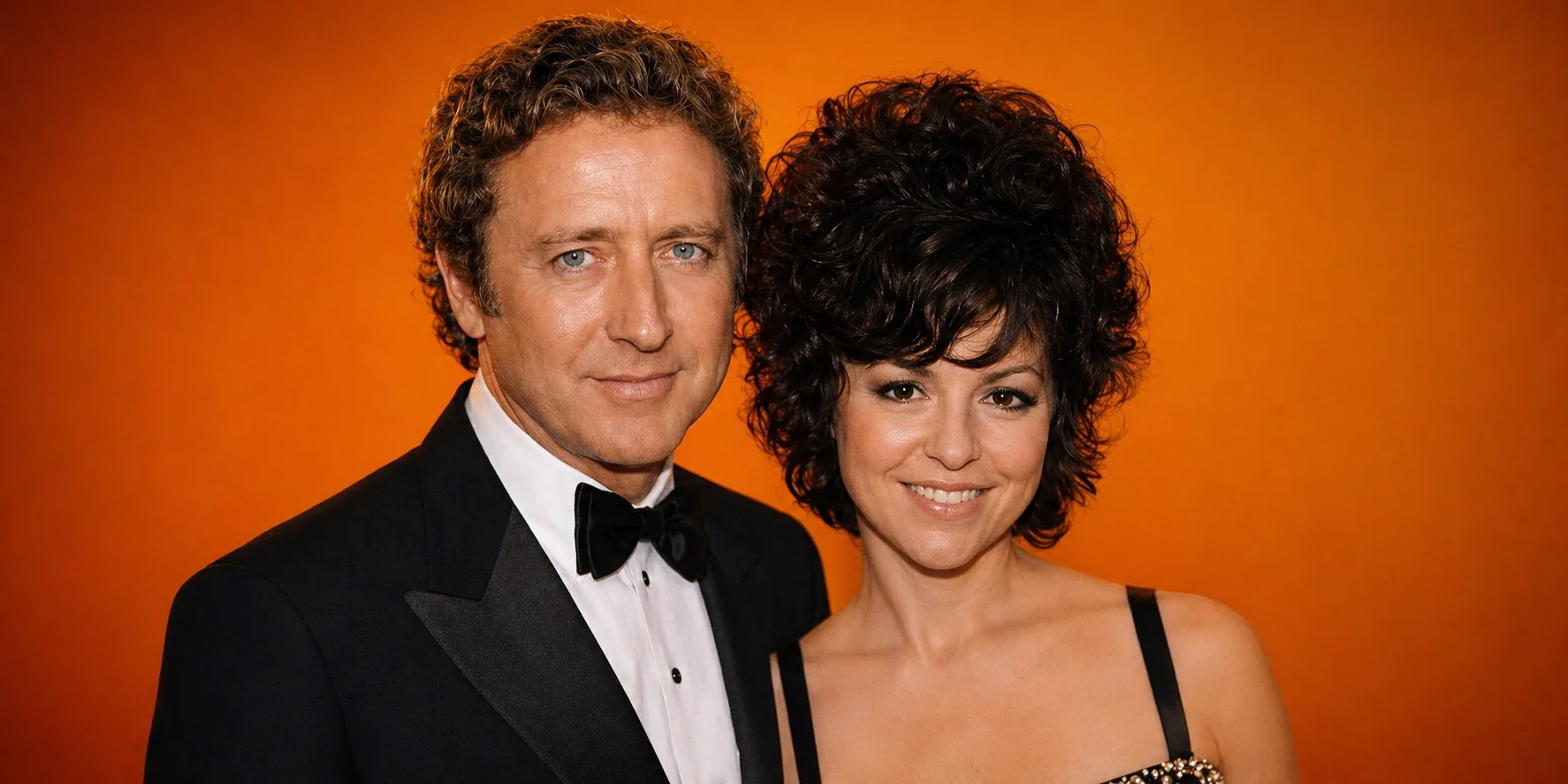
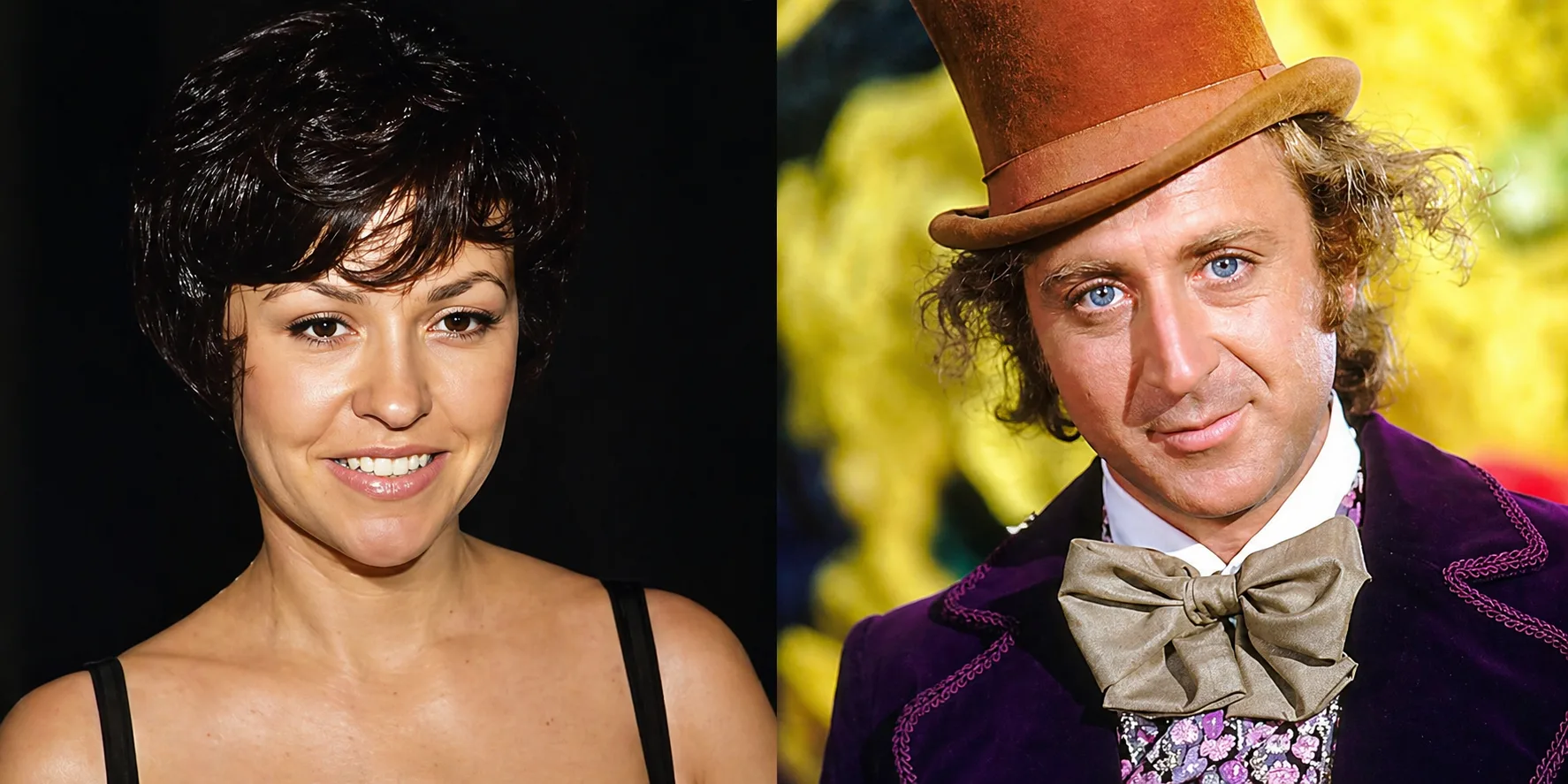
She was married to one of the most beloved comedic actors in American cinema history, and almost no one knows her name. That is not a failure. For Mary Joan Schutz, it was a deliberate, principled choice, and she kept it every single day of her life. Mary Joan Schutz is best known as the second wife of Gene Wilder, the actor and writer celebrated for iconic roles.
In films like Willy Wonka and the Chocolate Factory (1971) and Young Frankenstein (1974). She married Wilder on October 27, 1967. They divorced in 1974. During their seven-year marriage, Wilder adopted her daughter, Katharine, who went on to become an actress. After the divorce, Mary Joan Schutz walked away from Hollywood entirely, and she never looked back. That is the documented record. But her story is richer than a timeline suggests.
Quick Facts: Mary Joan Schutz
| Detail | Information |
| Full Name | Mary Joan Schutz |
| Birth Year | Approximately 1930 (per genealogical records from Iowa census data) |
| Birthplace | Iowa, United States (based on 1930 and 1940 U.S. Census records) |
| Parents | Matthew Lynn Schutz and Katherine M. Hickey |
| Nationality | American |
| Known For | Second wife of actor Gene Wilder |
| Marriage | Married Gene Wilder on October 27, 1967 |
| Divorce | 1974 |
| Children | One daughter: Katharine (adopted by Gene Wilder) |
| Career | No documented public career |
| Current Status | Private; no verified public presence |
The Most Common Mistake Every Article Makes About Mary Joan Schutz
Get this wrong, and the rest of the timeline collapses. Multiple websites, including the competitor article this piece was researched against, describe Mary Joan Schutz as Gene Wilder’s “first wife.” She was not. Wilder’s first wife was Mary Mercier, a stage actress he married in 1960. That marriage ended in 1965. Mary Joan Schutz came after.
She was his second wife, and treating her as his first misrepresents the entire shape of his personal history. Wilder married four times in total. After Mary Joan Schutz, he married actress and comedian Gilda Radner in 1984. Radner died of ovarian cancer in 1989, a loss that devastated Wilder and moved him to become an outspoken advocate for cancer awareness. His fourth and final marriage was to Karen Boyer in 1991, and that marriage lasted until his death in August 2016.
Placing Mary Joan Schutz correctly in that sequence matters. She was not the beginning of his romantic life. She was part of a middle chapter, one that shaped him as a father and as a person, even if it ended before his most famous films reached audiences worldwide.
Where Mary Joan Schutz Actually Came From
Most articles place her vaguely “in Pennsylvania” with no supporting evidence. Genealogical records tell a more specific story. U.S. Census data from 1930 lists a Mary Joan Schutz in the household of Matthew L. Schutz in Floyd County, Iowa. The 1940 Census records the same family in Sheldon, a small city in O’Brien County, Iowa. Her parents were Matthew Lynn Schutz and Katherine M. Hickey.
Some secondary sources name her parents as Nancy and Robert Schutz. But those names appear in uncited biographical pieces and do not match the census record, which is the oldest verifiable source available.
Growing up in small-town Iowa during the 1930s and 1940s means Mary Joan Schutz came from a world as far from Hollywood as a person could get. O’Brien County in that era was farming country. Close communities. Modest lives. Values built around work, family, and not drawing unnecessary attention to yourself. Those values never left her.
How Mary Joan Schutz Met Gene Wilder
The meeting happened through Wilder’s own sister, not through any professional Hollywood connection. That fact matters more than it might seem. It was the mid-1960s. Wilder had recently divorced Mary Mercier and was beginning to build real momentum as an actor. He had appeared in stage productions, worked with the famous Actors Studio in New York, and earned a small but meaningful role in Bonnie and Clyde.
He was not yet famous. He was trying. Mary Joan Schutz was a single mother at the time, raising her daughter Katharine on her own. She was introduced to Wilder through family, not through casting offices or industry parties. Their connection grew from genuine affection rather than ambition on either side.
This origin point distinguishes Mary Joan Schutz from the image many people carry of Hollywood figures and their partners. She was not chasing proximity to fame. She met a man through people she trusted, and she fell for him as a person.
The Marriage: 1967 to 1974
What the Wedding Said About Who They Were
They married on October 27, 1967. The ceremony was private and intimate. No splashy coverage. No publicist-managed red carpet moment. That tone matched both of their personalities, and it set the pattern for how they handled their entire marriage: quietly, and away from the cameras. In the same year they married, Wilder appeared in The Producers, the Mel Brooks comedy that first brought him widespread critical attention.
Zero Mostel played Max Bialystock. Wilder played Leo Bloom. The film earned Wilder an Academy Award nomination for Best Supporting Actor in 1969. His career was accelerating fast. Mary Joan Schutz was beside him through that acceleration. She was not on the posters. She was not in the interviews. She was home, raising Katharine, maintaining stability in a life that was increasingly defined by the unpredictable rhythms of film production and public attention.
Gene Wilder Adopted Katharine
One of the most overlooked details in most coverage of Mary Joan Schutz is what Gene Wilder’s adoption of Katharine actually meant. Katharine had been calling Wilder “Dad” organically, before any legal process began. When Wilder moved to make the adoption official, it was a response to something that had already become emotionally true.
He wanted to formalize what the family already felt. Wilder adopted Katharine in 1967, the same year he and Mary Joan married. Katharine carried the Wilder surname from that point forward. After the 1974 divorce, Katharine’s relationship with her adoptive father became complicated. The two were estranged for a period. Wilder addressed this directly in his 2005 memoir, Kiss Me Like a Stranger:
My Search for Love and Art, which he dedicated specifically to his daughter. That detail, the estrangement, the memoir dedication, the decades of complicated aftermath, sits almost entirely absent from competing articles on Mary Joan Schutz. It is not a minor footnote. It reflects what the divorce actually cost, not just for the two adults involved, but for the child who had two parents and then, in practice, one.
The Pressure That Built During the Marriage
By 1971, Gene Wilder was one of the most recognizable comic actors in the United States. Willy Wonka and the Chocolate Factory opened that year, and his performance as Willy Wonka became one of the most enduring in American film history. IMDb lists 37 acting credits across his career. In the early 1970s, the roles were coming faster, the fame was louder, and the demands on his time were constant.
Mary Joan Schutz handled this by doing what she had always done: keeping her own counsel and focusing on family. But fame at that level reshapes a marriage whether both partners want it to or not. Schedules disappear. Privacy contracts. The person you married becomes, partly, a public property.
Why Their Marriage Ended
What Sources Say
The divorce was finalized in 1974. The couple never issued public statements about their reasons. That silence was consistent with how both of them had approached the entire marriage. Some sources point to rumors that Wilder had an affair during the filming of Young Frankenstein (1974) with his co-star Madeline Kahn. Those rumors circulated without clear confirmation. Wilder went on to fall deeply in love with Gilda Radner.
Whom he met on the set of Saturday Night Live in 1975, and their eventual marriage is well-documented as one of genuine romantic devotion. Whether the relationship with Radner began as his marriage to Mary Joan Schutz was ending, or after, is not confirmed in any reliable source.
What is confirmed is this: seven years into the marriage, with Katharine growing up and Wilder at the peak of his early fame, the two separated quietly. No tabloid drama. No public accusations. The divorce was handled the same way the marriage had been conducted, without performance.
What That Dignity Actually Costs
Here is something none of the competing articles address, and it deserves a paragraph. Choosing to separate from a famous person without making noise, without granting interviews, without weaponizing public sympathy is not easy. In 1974 American culture, a woman in Mary Joan Schutz’s position had every avenue open to her for building a public profile out of the breakup.
She used none of them. That choice, repeated across decades of silence, is a form of integrity that rarely gets named as such. It gets described as “private” or “mysterious.” Those words miss what it actually is. It is self-possession. It is knowing who you are outside of who you were married to.
Katharine Wilder: The Daughter Who Became an Actress
Mary Joan Schutz raised Katharine largely on her own, first as a single mother before meeting Gene Wilder, and then again after the divorce. Katharine took the Wilder surname and, unlike her mother, eventually stepped into public life through acting. Katharine Wilder has 16 acting credits listed on IMDb as of 2026.
Her most recognized role is Audrey Fleming in the British television series Call the Midwife. She has also appeared in films including Darwin Story, The Faceless Lady, and Two Heads Creek.The relationship between Katharine and Gene Wilder was complex after the divorce. They were estranged, as noted in Wilder’s memoir.
That estrangement is significant context when reading about Mary Joan Schutz, because it tells you something about the emotional terrain she was navigating as a mother. Her child had lost a father figure, at least functionally, even though that man was still alive and still famous. She managed that reality without commentary.
The Unique Angle Most Articles Miss: Privacy as an Active Choice, Not a Passive Absence
Every article about Mary Joan Schutz frames her privacy as something she lacks, as if it is simply an absence of information. That framing is wrong, and it changes everything about how her story reads. Mary Joan Schutz’s privacy is not a gap in the record. It is the record. Think about the information environment she has navigated since 1974. Celebrity gossip has industrialized.
Social media turned personal life into content. Tabloids paid for exclusives about far less interesting divorces than hers. The internet made every birth record, every address, every old photograph potentially findable. And yet her post-divorce life remains almost entirely undocumented. That does not happen by accident. It happens because a person works at it, consistently, over fifty years.
Her privacy is an achievement. It is a statement about values. In a cultural moment, specifically 2026, when attention is currency and personal disclosure is rewarded algorithmically. Mary Joan Schutz represents something genuinely countercultural. She was countercultural before the culture even knew it needed the counterexample.
Gene Wilder After Mary Joan Schutz
Understanding Gene Wilder’s life after the divorce gives context to what Mary Joan Schutz’s chapter actually meant. After the 1974 split, Wilder continued making films at a remarkable pace. Young Frankenstein (1974), Silver Streak (1976), and Stir Crazy (1980) followed. His collaboration with Richard Pryor became one of the most beloved comic partnerships in Hollywood history.
Stir Crazy grossed over $101 million at the domestic box office in 1980, making it the highest-grossing comedy of that year. He married Gilda Radner in 1984. She was diagnosed with ovarian cancer in 1986 and died in May 1989. Wilder channeled that grief into advocacy, co-founding Gilda’s Club in 1995, a cancer support community organization named in her honor. It later merged with the Wellness Community in 2009 to form Cancer Support Community. Wilder married Karen Boyer, a speech pathologist, in 1991.
He lived quietly in Connecticut until his death from complications of Alzheimer’s disease on August 29, 2016. He was 83 years old. His passing generated enormous public mourning from fans across multiple generations who had grown up with his films. The years Mary Joan Schutz shared with him, 1967 to 1974, were the years he became the actor the world remembers. She was there when it happened. She built the home he came back to between the transformative projects. That is not a small thing.
What Happened to Mary Joan Schutz After 1974
No verified public appearances after the divorce. No interviews. No published statements. No social media presence. Some biographical sources mention interests in animal welfare and literacy, but none cite specific organizations or verifiable programs. There is one claim, circulating across several sites, that she was born in 1938 and currently lives in Georgia. The 1938 birth year conflicts with the 1930 U.S.
Census record placing a child named Mary Joan Schutz in an Iowa household, which would imply a birth year closer to 1929 or 1930. The Georgia residence claim appears to originate from a single unattributed source and has been copied across the web without verification. Treat both claims as unconfirmed.
What can be said with confidence is this: Mary Joan Schutz maintained her privacy so completely, across a period of more than fifty years, that the effort itself is the story. She did not disappear because she was erased. She disappeared because she chose to.
FAQ: What People Actually Want to Know About Mary Joan Schutz
Who is Mary Joan Schutz?
Mary Joan Schutz is the second wife of actor Gene Wilder. They married on October 27, 1967, and divorced in 1974. During their marriage, Wilder adopted her daughter Katharine. After the divorce, Schutz withdrew entirely from public life and has maintained that privacy for more than fifty years.
Was Mary Joan Schutz Gene Wilder’s first wife?
No. This is one of the most common errors in coverage of her life. Wilder’s first wife was Mary Mercier, a stage actress. That marriage ran from 1960 to 1965. Mary Joan Schutz married Wilder in 1967, making her his second wife.
How did Mary Joan Schutz and Gene Wilder meet?
They met through Wilder’s sister in the mid-1960s. It was a personal introduction, not a Hollywood networking connection. Which helps explain the genuine nature of their relationship.
Does Mary Joan Schutz have children?
She has one daughter, Katharine, from a relationship before Gene Wilder. Wilder legally adopted Katharine in 1967. Katharine later became an actress and is known for the British television series Call the Midwife.
Why did Mary Joan Schutz and Gene Wilder divorce?
The exact reasons were never made public by either party. Some sources point to rumors involving Wilder’s relationship with co-star Madeline Kahn during Young Frankenstein. The divorce was finalized in 1974 without public statements from either side.
How old is Mary Joan Schutz?
Based on genealogical census records from Iowa, she was born around 1929 or 1930, which would place her in her mid-90s as of 2026. The frequently cited 1938 birth year appears to be unverified and likely inaccurate.
Did Mary Joan Schutz receive money from Gene Wilder after the divorce?
No verified public information exists about any financial settlement from the divorce. Wilder’s estate at the time of his 2016 death was estimated at approximately $20 million, reflecting his long film career.
Is Mary Joan Schutz still alive?
There is no verified public record confirming her death, nor any confirming her current residence or status. Her lifelong commitment to privacy makes this genuinely unknown.
What is Katharine Wilder doing now?
Katharine Wilder, Mary Joan Schutz’s daughter, continues to act. She has 16 acting credits on IMDb as of 2026, with her most recognized work being Call the Midwife. She maintains a relatively private personal life, consistent with how she was raised.
Did Gene Wilder ever speak publicly about Mary Joan Schutz?
Rarely. His 2005 memoir Kiss Me Like a Stranger focused primarily on his experiences with Gilda Radner. He dedicated the book to Katharine, acknowledging the estrangement that followed the divorce. Mary Joan Schutz herself was not publicly discussed in his interviews.
Mary Joan Schutz and the Question of Legacy
Legacy, for most people connected to fame, gets measured in coverage. In mentions. In how often the name surfaces when someone searches. By that measure, Mary Joan Schutz has almost no legacy. But that measure is wrong. Gene Wilder’s most productive period as a filmmaker and performer, 1967 to 1974, happened while he was married to her.
The Producers. Willy Wonka and the Chocolate Factory. Everything You Always Wanted to Know About Sex. Rhinoceros. The home he returned to between those projects was the one she maintained. The stability that allowed him to take creative risks had a human source. Her name does not appear in the credits of those films. It never will.
And she would not have wanted it to. That, finally, is the most complete thing you can say about Mary Joan Schutz: her choices were entirely her own. Made consistently over a lifetime, in a world that constantly offers people reasons to abandon them.
That consistency is not passivity. It is one of the harder things a person can do in proximity to fame, and she did it without flinching. For anyone interested in understanding the full arc of Gene Wilder’s personal life alongside his celebrated career. His Wikipedia biography offers a well-sourced timeline of all four marriages, his collaborations with Mel Brooks and Richard Pryor, and the advocacy work that defined his final decades.
Read More: Charity Nye: The Truth Behind Bill Nye’s Reported Daughter