
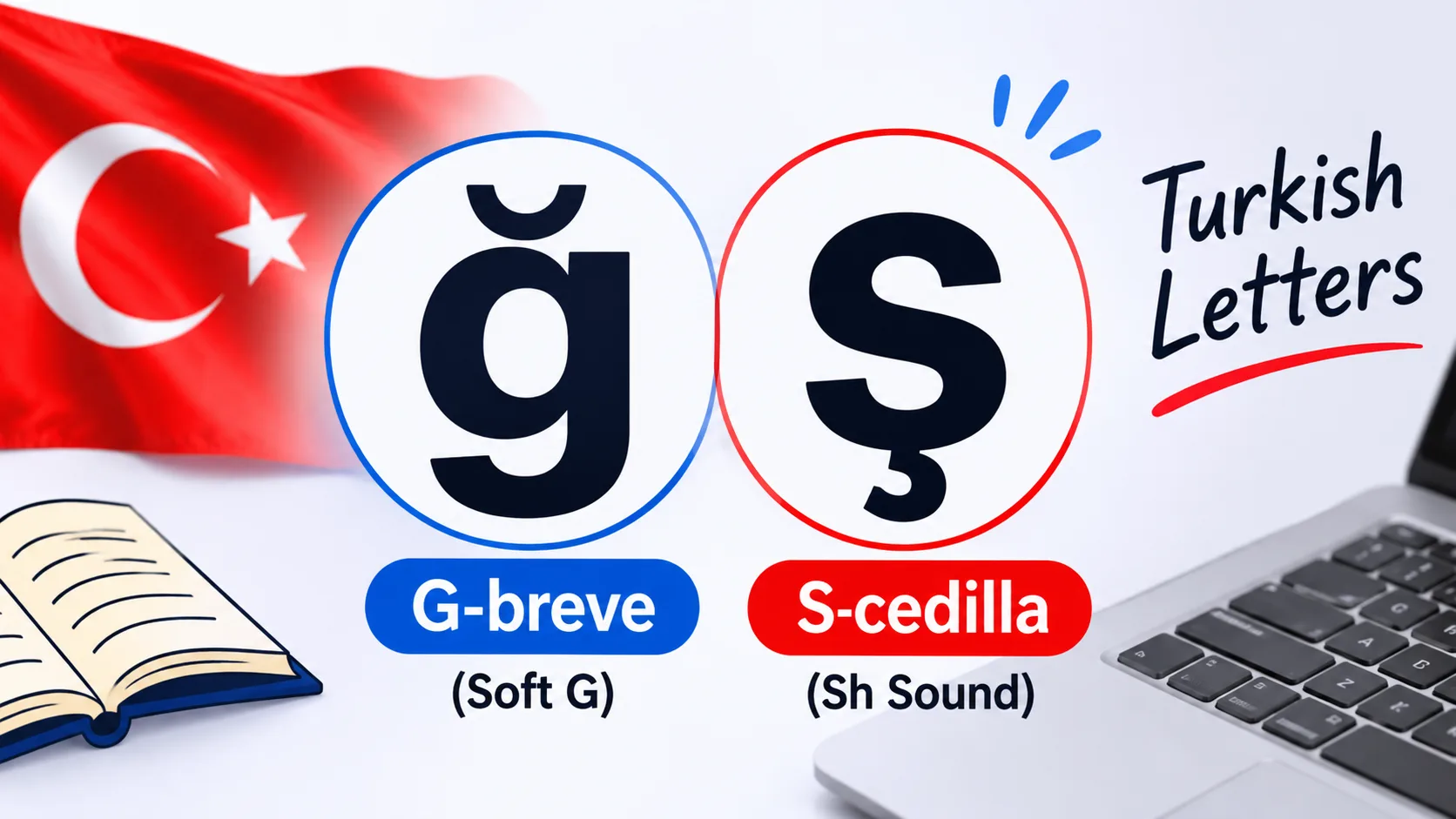
The characters ğş may look unfamiliar to English speakers, but they are real letters used in languages such as Turkish. Understanding these symbols can help people read foreign names, type international text, and fix character-display problems. This guide explains what ğ and ş mean, how they are pronounced, and where they are used.
What Does ğş Mean?
The combination ğş is not a standalone word with a specific dictionary meaning. Instead, it consists of two separate letters used in the Turkish alphabet: ğ (g with a breve) and ş (s with a cedilla).
Both letters represent distinct sounds or pronunciation rules in Turkish. They also appear in personal names, locations, everyday vocabulary, websites, and digital text.
What Is the Letter ğ?
The letter ğ is called G-breve, or a g with a breve accent. It is an important letter in Turkish and Azerbaijani writing.
In Turkish, ğ is commonly known as the soft g. Unlike the English letter g, it usually does not have a strong consonant sound. Depending on its position in a word, it can lengthen the preceding vowel or help create a smooth transition between vowels.
For example, Turkish words containing ğ may sound different from how English speakers expect them to sound when reading them for the first time.
Read also: Jen Psaki Net Worth 2026: Salary, MSNBC Earnings and Career Wealth
What Is the Letter ş?
The letter ş is called S-cedilla, meaning an s with a small mark underneath. In Turkish, it represents the “sh” sound, similar to the sound in the English words “shoe,” “shop,” and “show.”
It is not the same as the standard English letter s. Replacing ş with s can change how a word is pronounced and, in some cases, its meaning.
Difference Between ğ and ş
Although both characters contain diacritical marks, they serve different purposes.
| Character | Name | General pronunciation |
|---|---|---|
| ğ | G-breve / soft g | Usually softens or lengthens the preceding vowel |
| ş | S-cedilla | Similar to the English “sh” sound |
These letters are part of the extended Latin alphabet. They allow languages to represent sounds and pronunciation distinctions that cannot always be expressed accurately using the 26 basic English letters.
How to Type ğ and ş on a Keyboard
Typing Turkish characters is easier when you know which keyboard settings or shortcuts are available.
On Windows
You can use the character map built into Windows:
- Open the Start menu.
- Search for Character Map.
- Find the characters ğ and ş.
- Select the character you need.
- Copy and paste it into your document.
You can also install or enable a Turkish keyboard layout through Windows language settings if you regularly write Turkish.
On Mac
Mac users can add a Turkish keyboard layout through System Settings and switch between layouts when typing.
Depending on the keyboard configuration, special characters may also be available through character viewers or keyboard combinations.
On Smartphones
On many Android and iPhone keyboards, pressing and holding the letter g or s displays additional character options. You can select ğ or ş from the pop-up menu when supported by your keyboard.
If you cannot find these characters, adding Turkish as an additional keyboard language is another practical option.
Unicode Codes for ğ and ş
Unicode is an international standard that assigns unique identifiers to text characters, allowing computers and digital systems to recognize and display text consistently.
The two letters have the following Unicode identifiers:
- ğ: U+011F — Latin Small Letter G with Breve
- Ğ: U+011E — Latin Capital Letter G with Breve
- ş: U+015F — Latin Small Letter S with Cedilla
- Ş: U+015E — Latin Capital Letter S with Cedilla
Unicode makes it possible to use these letters in websites, documents, messaging apps, databases, and other digital platforms.
The Unicode Standard identifies ğ as a letter used in Turkish and Azerbaijani. These characters belong to the Latin Extended-A character block.
Why Do ğ and ş Sometimes Display Incorrectly?
Sometimes international characters appear as strange symbols, question marks, or unrelated letters. This problem is often connected to text encoding.
UTF-8 is a widely used encoding system that supports characters from many languages. When a website, database, browser, or document uses incompatible encoding settings, characters may not display correctly.
For website owners, using UTF-8 consistently across HTML pages, databases, and content systems can help prevent these problems.
If you encounter broken characters while reading a website, refreshing the page, changing browser settings, or checking the original text may help.
Where Are These Letters Used?
The letters ğ and ş are commonly found in:
- Turkish personal names and surnames
- Turkish cities and geographical locations
- Books, newspapers, and online publications
- Social media usernames and profiles
- International websites and multilingual content
- Language-learning materials and dictionaries
For American readers, recognizing these characters is especially useful when searching for international names, communicating with people from different countries, or reading translated and multilingual content.
Are ğ and ş Important for SEO?
Yes, special characters can matter when publishing multilingual content.
Search engines are designed to process text in different languages, but website owners should use correct spelling rather than unnecessarily replacing international characters with English equivalents.
When creating content about Turkish names, locations, or words, using the correct characters can improve readability and preserve the original spelling. It also helps readers who search using the proper language-specific characters.
Website publishers should make sure their pages use a consistent encoding format, support international fonts, and avoid accidentally changing characters during content editing or migration.
Frequently Asked Questions
What does ğş stand for?
ğş is a combination of two Turkish letters rather than a recognized word. The first is ğ, called g-breve or soft g, while the second is ş, called s-cedilla. Each letter has its own pronunciation and role in Turkish writing.
Is ğ an English letter?
No. The letter ğ is not part of the standard English alphabet. It is used in languages including Turkish and Azerbaijani, where it represents a language-specific pronunciation rule.
How is ş pronounced?
The letter ş is generally pronounced like the English “sh” sound in words such as “shoe” and “shop.” It is used in Turkish and several other languages that employ Latin-based alphabets.
Can I use ğ and ş in website URLs?
Yes, websites can technically use international characters in URLs. However, many publishers prefer simple, readable URL slugs using standard English letters to make links easier to share and manage.
Why do ğ and ş appear as strange symbols?
Incorrect text encoding, missing fonts, or software compatibility problems can cause special characters to display incorrectly. Using UTF-8 encoding and compatible fonts generally helps websites and applications display these letters correctly.
Conclusion
The characters ğ and ş are important parts of the Turkish alphabet, each serving a different pronunciation purpose. The letter ğ is a soft g, while ş represents a sound similar to English “sh.” Their Unicode codes allow them to work across modern digital platforms, from websites and documents to smartphones and messaging applications.
Read also: Jen Psaki Net Worth 2026: Salary, MSNBC Earnings and Career Wealth