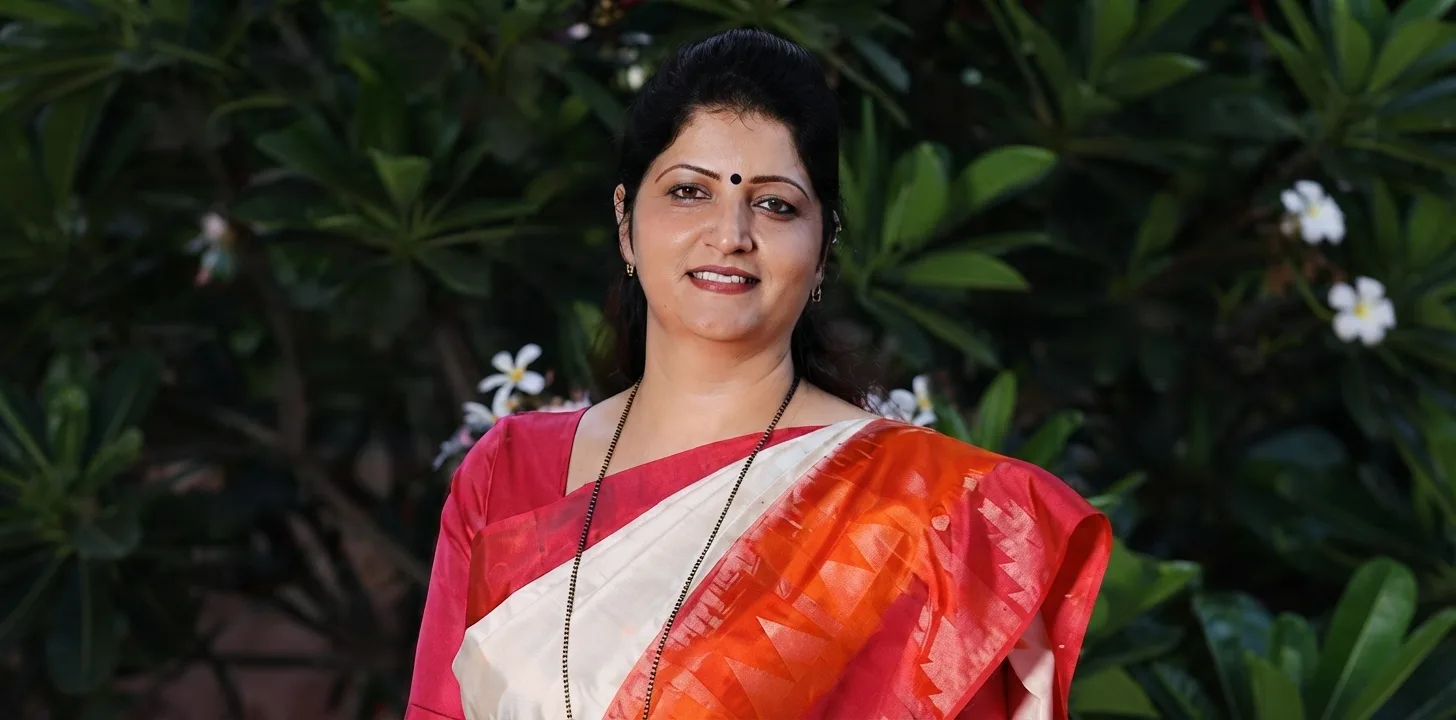

Most people don’t choose to be born into a scandal. Sana Talikoti was. Her father, Abdul Karim Telgi, orchestrated one of the largest financial frauds in Indian history, and for two decades, that single fact defined how the world saw her family. Then, in December 2022, she did something almost nobody expected. She sued the producers of a hit web series for how they portrayed her father, and suddenly Sana Talikoti stopped being a footnote in someone else’s crime story.
Here’s the direct answer to what people are searching for. Sana Talikoti is the daughter of Abdul Karim Telgi, the mastermind behind India’s 2003 stamp paper scam. She filed a legal case against the makers of the SonyLIV series “Scam 2003: The Telgi Story,” arguing it violated her family’s privacy and misrepresented her father. She is married to businessman Irfan Talikoti and has largely stayed out of public life, choosing privacy over publicity for most of her adult years.
This article covers what’s actually documented about her life, her father’s case, her legal fight, and the parts of her story that other write-ups either skip or get wrong.
Sana Talikoti Quick Facts
| Detail | Information |
|---|---|
| Full Name | Sana Talikoti (born Sana Telgi) |
| Father | Abdul Karim Telgi, central figure in the 2003 stamp paper scam |
| Birth Year | Around 1988 (exact date not publicly confirmed; birthplace listed as either Karnataka or Mumbai depending on source) |
| Religion | Islam |
| Husband | Irfan Talikoti, businessman |
| Children | A son, referred to as Arman or Armaan in different reports |
| Known For | Legal case against the producers of “Scam 2003: The Telgi Story” |
| Legal Action | Filed December 2022; Mumbai court rejected her request to restrict the series’ release |
| Father’s Death | October 23, 2017, from multiple organ failure |
Who Was Abdul Karim Telgi, and Why Does It Matter for Sana Talikoti?
You can’t understand Sana Talikoti’s story without understanding her father’s first. Abdul Karim Telgi ran what became known as the stamp paper scam, a forgery operation involving fake stamp papers that defrauded the Indian government of an amount estimated in the thousands of crores. When investigators cracked the case in the early 2000s, it became one of the most talked-about financial crimes in India’s modern history.
Telgi was arrested, convicted, and spent years in prison before dying on October 23, 2017, from multiple organ failure after a prolonged illness. For Sana Talikoti, the fallout started long before that. She has described her childhood shifting overnight once her father’s arrest made national news. Media vans parked outside the family home. Strangers discussed her father at length, often without any regard for the children caught in the middle.
Think about what that actually looks like for a kid. One week you’re going to school like everyone else. The next week, your surname is a punchline on the evening news. That’s the environment Sana Talikoti grew up navigating, and it shaped how carefully she has guarded her privacy ever since.
Sana Talikoti is the daughter of convicted stamp paper scam mastermind Abdul Karim Telgi, and she has spent much of her adult life trying to separate her own identity from her father’s crimes. Rather than court the spotlight, she chose to live quietly, marry, raise a family, and rebuild a sense of normalcy away from the scandal that made her father a household name.
Early Life: Growing Up in the Shadow of a National Scandal
Details of Sana Talikoti’s early life are limited, and that’s largely by design. She grew up in a middle-class Muslim household, with reports differing on whether her birthplace was in Karnataka or Mumbai. Her exact date of birth has never been publicly confirmed, though most sources place her birth year around 1988.
What is consistent across accounts is the emotional weight of her upbringing. Her early childhood, before her father’s arrest, was reportedly peaceful and unremarkable. After the scandal broke, everything shifted. She has credited her mother’s guidance and a family philosophy of putting privacy above public attention as the reason she was able to focus on her education and personal life instead of getting pulled into the media circus surrounding her father’s trial.
She rarely appeared in public through her twenties and early thirties, a pattern that only changed when she decided to take legal action in 2022.
Why Sana Talikoti Sued Over “Scam 2003”
This is the part of her story that actually made her a public figure in her own right, and it deserves more than a passing mention.
In late 2022, SonyLIV was preparing to release “Scam 2003: The Telgi Story,” a dramatized web series based on her father’s crimes, directed by Hansal Mehta. Before the show even aired, Sana Talikoti filed a legal case against the producers and director.
Her argument was straightforward. She claimed the series relied on a book containing factual inaccuracies about her father, and that dramatizing his story without her family’s consent violated their right to privacy, dignity, and self-respect. This wasn’t about denying her father’s guilt. It was about how his story was being retold, and by whom.
Sana Talikoti’s lawsuit against the makers of “Scam 2003” argued that the series misrepresented her father and violated her family’s privacy rights. She sought to restrict the show’s release, framing the case around dignity rather than defending her father’s actions.
The production side pushed back hard. Their argument was that everything portrayed in the series came from information already available in the public domain through court records and news coverage from the original 2003 case. In their view, no privacy violation had occurred because there was no private information being exposed in the first place.
How the Court Ruled
A Mumbai court ultimately rejected Sana Talikoti’s request to block the series. “Scam 2003: The Telgi Story” went on to release on SonyLIV in 2023 as planned, becoming a notable entry in India’s growing catalog of true-crime financial dramas.
For Sana Talikoti, the legal defeat didn’t erase the point she was trying to make. Even in losing the case, she forced a public conversation about where the line sits between telling a true crime story and exploiting the families connected to it. That’s a conversation Indian media rarely has, and her case is one of the few real examples of a family member pushing back through the legal system instead of just staying silent.
Sana Talikoti’s Family Life Today
Away from the courtroom, Sana Talikoti’s life looks deliberately ordinary. She is married to Irfan Talikoti, described in most accounts as a businessman, and the couple has a son, whose name appears in reports as either Arman or Armaan.
By marrying and being known publicly as Sana Talikoti rather than Sana Telgi, she has, whether intentionally or not, created some distance between her adult identity and her father’s surname. It’s a small detail, but it says something about how she has chosen to move through the world after 2003.
She has continued to avoid the spotlight outside of her legal case, giving few interviews and maintaining a low social media presence. Most of what’s publicly known about her personal life comes from court filings and the limited media coverage surrounding her 2022 lawsuit, not from her own public statements.
What Most Articles About Sana Talikoti Get Wrong
A lot of biography pages online repeat unverified physical descriptions and exact statistics about Sana Talikoti that have no real source behind them. There’s no confirmed public record of her height, weight, or exact birth date, despite some sites presenting these as established facts.
It’s worth being upfront about that gap instead of inventing precision that doesn’t exist. What’s actually documented, through court filings, news coverage of her lawsuit, and reporting on her father’s case, is far more limited than most of these biography sites suggest. That’s not a flaw in her story. It reflects a woman who has spent most of her life deliberately staying out of public records.
Frequently Asked Questions About Sana Talikoti
Who is Sana Talikoti’s father?
Her father was Abdul Karim Telgi, the central figure behind India’s 2003 stamp paper scam, one of the country’s largest financial frauds. He died in October 2017.
Why did Sana Talikoti sue the makers of “Scam 2003”?
She argued the SonyLIV series misrepresented her father based on a book with factual inaccuracies, and that it violated her family’s right to privacy and dignity without their consent.
Did Sana Talikoti win her court case?
No. A Mumbai court rejected her request to restrict the release of “Scam 2003: The Telgi Story,” and the series aired on SonyLIV in 2023 as scheduled.
Is Sana Talikoti married?
Yes, she is married to businessman Irfan Talikoti, and the couple has a son who appears in reports under the name Arman or Armaan.
How old is Sana Talikoti?
Her exact birth date is not publicly confirmed, but most sources place her birth year around 1988, making her in her mid-to-late thirties as of 2026.
Where was Sana Talikoti born?
Sources disagree, with some citing Karnataka and others citing Mumbai, Maharashtra. No official record confirms her exact birthplace.
Is Sana Talikoti involved in her father’s business or legacy in any way?
No. There’s no public record connecting her to any business activity tied to her father’s stamp paper operations. Her only public legal involvement relates to how his story was portrayed on screen.
What happened to Abdul Karim Telgi?
He was convicted for his role in the 2003 stamp paper scam and died on October 23, 2017, from multiple organ failure after a long illness.
Does Sana Talikoti use her father’s surname?
No. She is publicly known as Sana Talikoti, using her married surname, rather than Sana Telgi.
Is “Scam 2003” based entirely on Sana Talikoti’s family?
The series dramatizes the events of the 2003 stamp paper scam, centered on Abdul Karim Telgi. Sana Talikoti and her family are connected to the story but were not involved in producing it.
The Real Story Behind the Headlines
Sana Talikoti’s life shows what happens when a person tries to build an identity separate from a parent’s worst mistake. Her father’s crimes made international headlines. Her response, decades later, was to fight for how that story gets told, even when the courts didn’t side with her.
If there’s one thing worth remembering about Sana Talikoti, it’s that she chose to challenge a narrative rather than simply live inside it, a decision that says more about her character than the 2003 Indian stamp paper scam ever could.
Read More: Zainab Ravdjee: The Hyderabad Artist Who Married Into Tollywood Without Losing Her Own Name